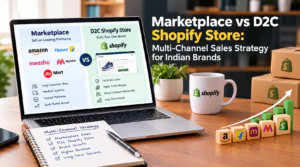
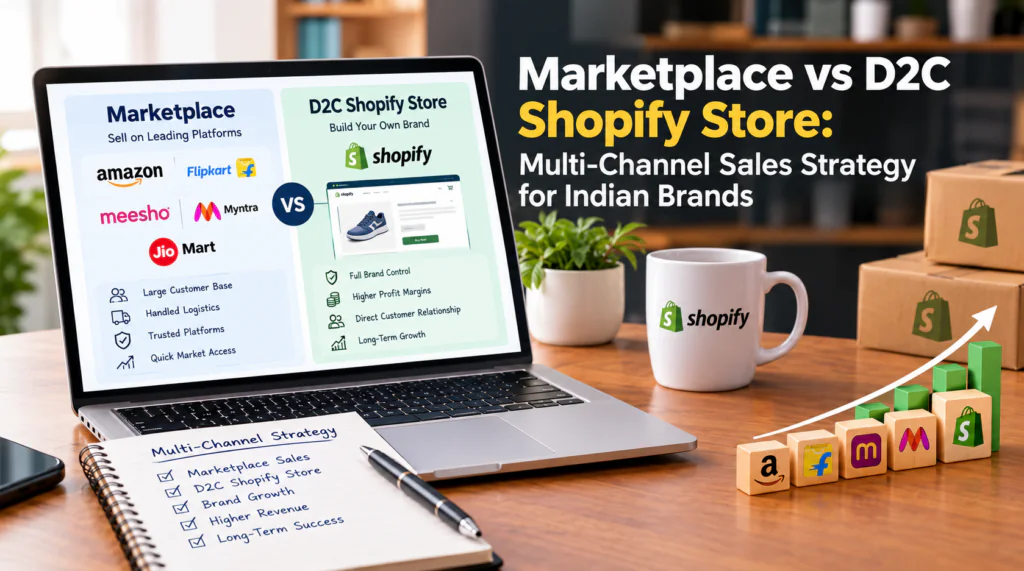
In the Indian e-commerce landscape, choosing between online marketplaces and a dedicated D2C Shopify store is no longer an “either/or” decision.
With platforms like Amazon India, Flipkart, and quick commerce dominating product discovery, while standalone D2C sites drive higher brand equity and customer retention, successful Indian brands deploy a hybrid multi-channel sales strategy.
This guide explores the channel economics, operational trade-offs, and frameworks needed to balance marketplace volume with D2C customer ownership.
1. D2C Shopify Store vs. Marketplace Channel Breakdown
Each channel fulfills a distinct function within your sales funnel:
- Marketplaces (Amazon, Flipkart, Myntra): Serve as high-velocity acquisition channels designed for product discovery, intent-based search traffic, and initial market validation.
- D2C Shopify Store: Functions as your brand anchor—designed for community building, brand storytelling, higher average order values (AOV), and repeat customer retention.
The Multi-Channel Funnel
2. Unit Economics & Contribution Margin Comparison
Understanding unit economics per channel prevents profitability compression as your sales volume expands.
| Cost Component | D2C Shopify Store | Marketplace (e.g., Amazon FBA) |
| Platform Commission / Fee | ~0.5% – 2% (Gateway/Platform) | 15% – 25% (Category referral fees) |
| Customer Acquisition Cost (CAC) | Front-loaded (Paid Meta/Google Ads) | Lower (Built-in high intent search) |
| Logistics & COD Handling | Shiprocket / Delhivery (Variable) | FBA / FBF Fixed Tier Rates |
| First-Party Data Ownership | 100% (Email, Phone, Behavior) | Restricted / Platform Owned |
| Return to Origin (RTO) Impact | High on COD (15% – 30%) | Moderate (Managed by platform) |
Key Financial Takeaway: D2C sites yield higher gross margins per transaction by eliminating marketplace commission fees. However, paid advertising spend (CAC) and COD RTO handling fees offset these savings unless you establish a strong repeat purchase rate.
3. Designing a Multi-Channel Product & Pricing Hierarchy
To avoid price wars and cannibalization across channels, structure your catalog purposefully:
A. Channel-Exclusive Product Tiering
- Marketplaces: List high-volume entry SKUs, single items, and price-competitive bestsellers to capture generic search queries.
- D2C Shopify Store: Reserve value-added bundles, high-tier gift sets, subscription options, and exclusive product launches for your brand website.
B. Strategic Price Parity
Avoid undercutting your D2C store price on marketplaces. Instead, offer value additions on Shopify—such as free gifts on orders above ₹999, loyalty points, or bundled discounts—to incentivize direct buying without violating marketplace price parity terms.
  [Entry / Single SKUs] ──────►  Deploy on Marketplaces (Volume)
  [Bundles & Subscriptions] ──►  Deploy on D2C Shopify Store (Margin)
For brands managing ad performance across competitive sales events, read our detailed framework on Festive Season E-commerce Checklist: How to Prepare Inventory and Ads for Big Billion Days & Great Indian Festival.
4. Multi-Channel Inventory & Order Management Systems (OMS)
Operating multiple sales channels without inventory synchronization leads to overselling, delayed dispatch metrics, and stockout penalties.
- Centralized OMS Integration: Tools like Increff, Unicommerce, or Vinculum aggregate orders across Shopify, Amazon, and Flipkart into a central inventory pool.
- Buffer Inventory Stocking: Maintain a 15–20% safety stock allocation for high-converting channels to prevent platform delisting during traffic spikes.
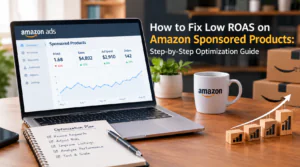
If you are optimizing ad spend across marketplace channels to improve profit margins, explore our step-by-step walkthrough on How to Fix Low ROAS on Amazon Sponsored Products: Step-by-Step Optimization Guide.
5. Cross-Channel Attribution & Retargeting Playbook
The optimal multi-channel model uses marketplaces as acquisition engines and Shopify as your customer retention ecosystem:
- Marketplace Discovery: Buyers discover your brand on Amazon or Flipkart through category searches.
- Branded Packaging Inserts: Include physical inserts (such as warranty registration QR codes or loyalty voucher codes) inside marketplace shipments to direct customers to your Shopify site.
- First-Party Retargeting: Capture email and WhatsApp details during Shopify warranty registration to drive repeat purchases through personalized automated flows.
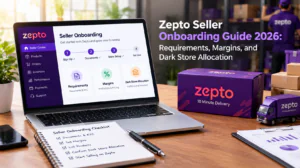
For emerging brands scaling hyper-local delivery alongside marketplace presence, review our complete operational strategy guide on Zepto Seller Onboarding Guide 2026: Requirements, Margins, and Dark Store Allocation.
Frequently Asked Questions (FAQs)
Q1: Should an Indian D2C brand launch on Shopify or marketplaces first?
Early-stage brands often validate product demand and generate cash flow faster on marketplaces due to built-in traffic. Once category demand is proven, launching a Shopify store helps collect first-party customer data and improve customer lifetime value (LTV).
Q2: How can brands reduce COD return-to-origin (RTO) losses on Shopify stores in India?
Implement automated WhatsApp order verification messages, offer small prepaid discounts (e.g., 5% off on UPI/Card payments), and use automated RTO protection tools like Shiprocket Checkout or Razorpay Magic Checkout to verify customer addresses.
Q3: What percentage of total sales should come from D2C vs marketplaces?
Healthy multi-channel D2C brands in India typically aim for a 50/50 or 60/40 revenue split between marketplaces and their direct Shopify store.