

Starting an e-commerce business has become one of the best ways to earn money online. Today, many people are starting their own online stores and selling products from home.
However, many beginners feel confused about where to start and what steps to follow. Without proper knowledge, people often make mistakes that slow down their business growth.
In this step-by-step guide, you will learn how to start an e-commerce business easily and successfully.
Step 1: Choose the Right Product to Sell
The first step in starting an e-commerce business is selecting the right product. Choosing the wrong product can lead to low sales, while choosing the right product can bring high profits. While selecting a product, consider:
- High demand products
- Low competition items
- Lightweight and easy-to-ship products
- Products with good profit margins
- Trending products in the market
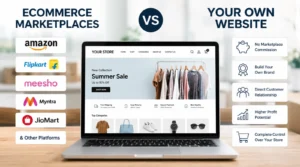
You can research products on marketplaces like Amazon, Meesho, and Flipkart to understand customer demand. Product research is one of the most important steps in building a successful e-commerce business.
1. Start Your Own Online Business
After selecting a product, the next step is choosing the platform where you want to sell. Popular e-commerce platforms include:
- Amazon
- Meesho
- Flipkart
- JioMart
Each platform has its own benefits and rules. Beginners should start with platforms that are easy to use and have a large customer base. Selecting the right platform helps increase visibility and sales.
Step 3: Create Your Seller Account
To start selling online, you need to create a seller account. This step usually includes:
- Providing business details
- Uploading identity documents
- Adding bank account information
- Completing verification steps
After account approval, you can start uploading your products. Many beginners face difficulties during account creation, so learning the correct process is very important.
Step 4: Upload Products with Proper Listing
Product listing plays a major role in product visibility and sales. A good product listing includes:
- SEO-friendly product title
- High-quality product images
- Clear product description
- Bullet points with key features
- Correct category selection
- Relevant keywords
Optimized listings help your product rank higher and attract more customers. Poor listings often result in low visibility and fewer sales.
Step 5: Set the Right Price
Pricing strategy directly affects your sales performance. While setting product price, consider:
- Product cost
- Marketplace commission
- Shipping charges
- Competitor pricing
- Profit margin
Competitive pricing helps attract more buyers and increases sales.
Step 6: Manage Inventory and Orders
After listing products, you need to manage stock and customer orders. Important tasks include:
- Maintaining stock levels
- Processing customer orders
- Tracking shipments
- Handling returns and refunds
- Communicating with customers
Proper order management builds customer trust and improves ratings.
Step 7: Promote Your Products
Promotion is essential to increase visibility and sales. Common promotion methods include:
- Marketplace advertising
- Social media marketing
- Discount offers
- Product deals
- Sponsored ads
Marketing helps your products reach more customers. Without promotion, growth may be slow.
Step 8: Analyze Performance and Improve
Successful sellers regularly analyze their performance. You should check:
- Product sales reports
- Customer feedback
- Advertising performance
- Return rates
- Profit margins
Continuous improvement helps grow your business faster.
Common Mistakes Beginners Should Avoid
Many beginners make mistakes that slow their success. Common mistakes include:
- Choosing low-demand products
- Ignoring SEO in listings
- Setting incorrect prices
- Not managing inventory properly
- Running ads without strategy
Learning from experts can help you avoid these mistakes.
Why Learning E-Commerce Training Makes the Process Easier
Starting an e-commerce business without training can be difficult and confusing. Professional training helps you:
- Learn step-by-step processes
- Understand marketplace rules
- Create optimized listings
- Run effective advertisements
- Avoid costly mistakes
- Build a profitable business faster
Training saves time and increases success chances.
How Professional Training Can Help You Start Faster
A good e-commerce training program provides:
- Live practical sessions
- Real marketplace account setup
- Product research methods
- Listing optimization techniques
- Advertising strategies
- Business growth tips
With proper guidance, beginners can start selling confidently.
Conclusion
Starting an e-commerce business is one of the best opportunities in today’s digital world. With the right product, proper platform, and correct strategy, anyone can build a successful online business.
However, learning the correct steps through professional training makes the journey easier and faster.
If you want to start your e-commerce business with confidence, learning from experts is the smartest decision.